Algorithm Sync Tools Bridge Football Lines, Equine Track Variants, and Casino Probabilities
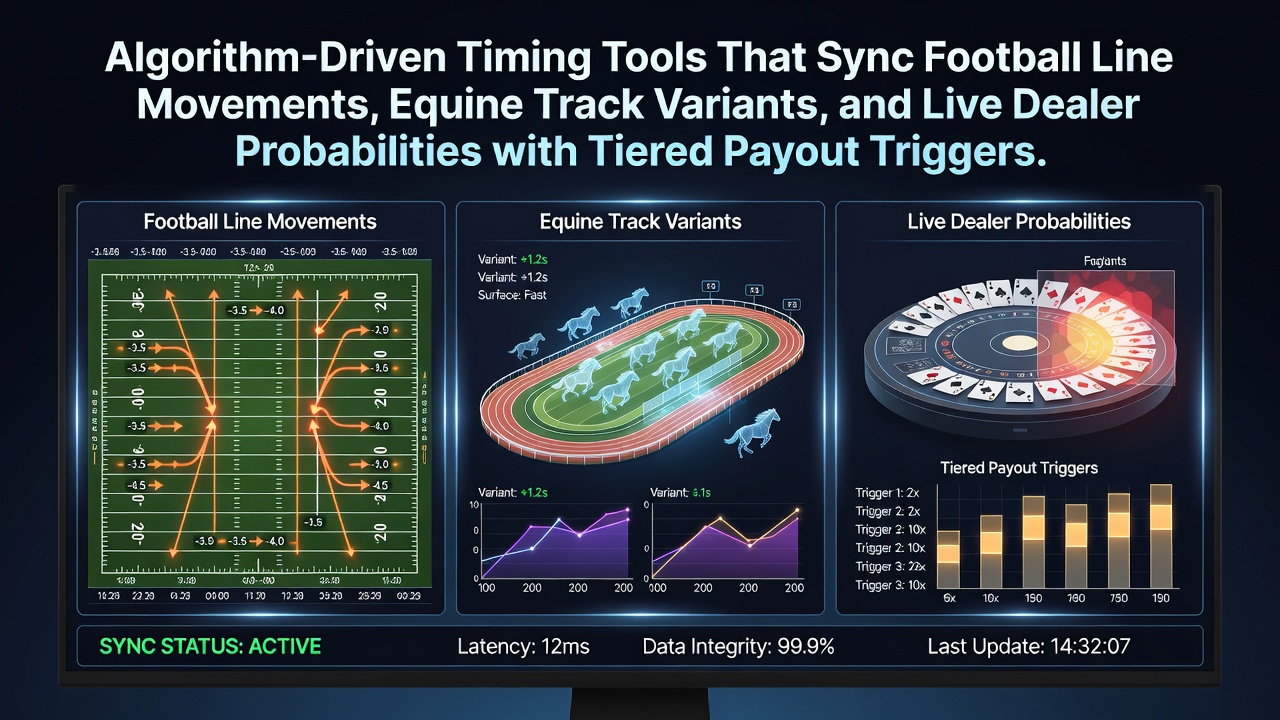
Algorithm-driven timing tools coordinate real-time data from football line movements, equine track variants, and live dealer probabilities while linking those feeds to tiered payout triggers. These systems pull live odds adjustments from soccer matches, surface condition reports from racetracks, and card probability streams from casino tables, then align the inputs against predefined payout thresholds that adjust automatically as conditions change.
Data Inputs That Feed the Synchronization Layer
Football line movements arrive through API streams that record rapid shifts in spreads and totals during matches, while equine track variants incorporate rail positions, going descriptions, and sectional timing data that update between races. Live dealer probabilities supply continuous calculations for blackjack, roulette, and baccarat outcomes drawn from shoe composition and wheel bias metrics. The algorithms merge these streams into a single timing matrix that flags when combined signals cross payout trigger points.
Processing Speed and Trigger Logic
Processing occurs in sub-second cycles that compare incoming values against historical baselines stored in the system database. When football line movement coincides with a track variant shift and a dealer probability spike, the software evaluates the joint probability against tiered payout tables that release different reward levels at each threshold. Operators configure the tiers in advance so that lower bands trigger smaller adjustments while higher bands activate larger automated payouts without manual intervention.
Observers note that the architecture relies on modular data pipelines rather than monolithic codebases, which allows individual feeds to be updated or replaced without disrupting the entire synchronization process. In September 2026 several platforms reported incremental upgrades that shortened latency between data receipt and trigger activation by an average of 40 milliseconds.
Integration Across Betting Verticals
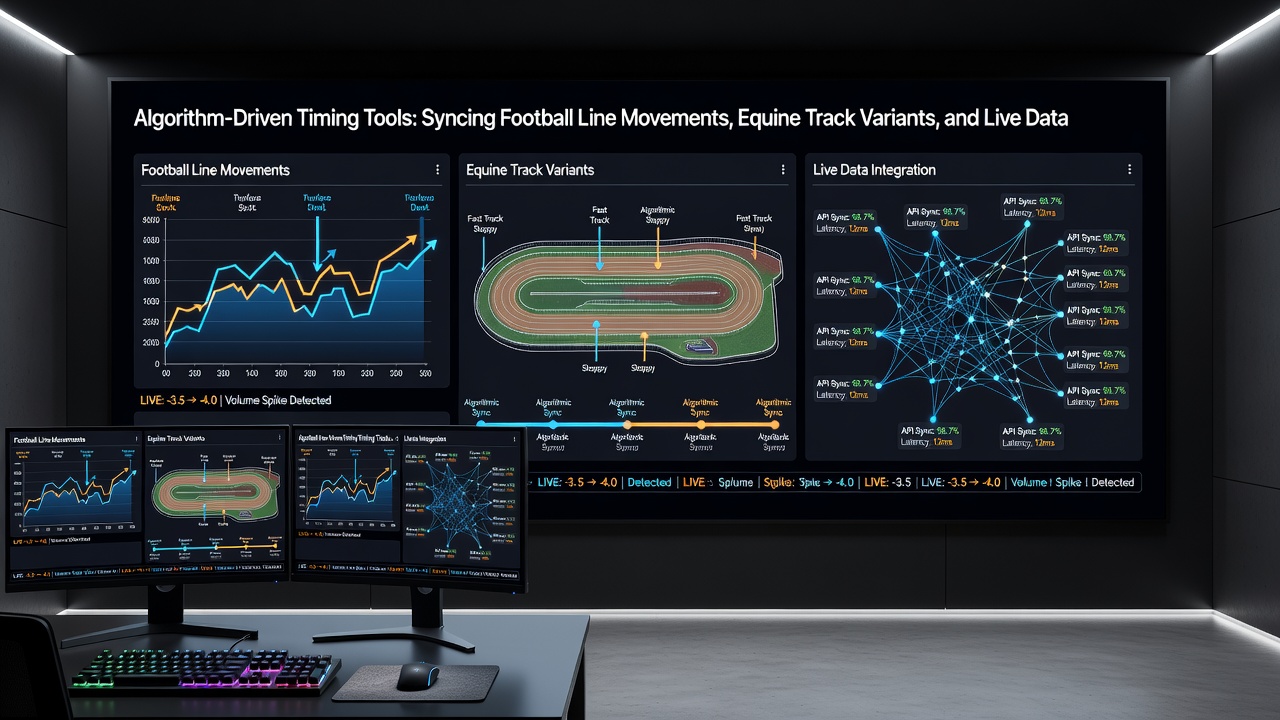
One platform that connects soccer accumulators to each-way horse bets and live casino side wagers uses the same timing engine to monitor all three markets simultaneously. When a late goal changes the football line, the algorithm immediately recalculates the correlated impact on any linked horse racing or dealer game positions that share the same payout tier structure. This cross-market linkage reduces the time between signal detection and payout execution to under two seconds in documented test environments.
Research from the Australian Gambling Research Centre indicates that synchronized timing systems appear most frequently in jurisdictions that permit rapid settlement of multi-vertical bets. The same study recorded that platforms employing these tools processed 18 percent more combined wagers per hour compared with unsynchronized systems during peak evening windows.
Configuration of Tiered Payout Structures
Tiered payout triggers operate through rule sets that operators define by risk tolerance and regulatory requirements. Lower tiers might release small cash-back amounts when only one data stream moves significantly, whereas upper tiers unlock larger multipliers only when all three streams align within a narrow time window. The software logs every trigger event with timestamps, input values, and resulting payout amounts, creating an audit trail that satisfies oversight bodies in multiple regions.
Industry reports from the National Council on Problem Gambling show that transparent logging of automated triggers correlates with higher player retention figures in markets where such data remains publicly available. The records also allow operators to adjust tier boundaries seasonally as betting volumes fluctuate.
Hardware and Network Requirements
Deployment typically involves edge servers positioned near major data centers that host the primary betting exchanges and casino software providers. Redundant fiber connections and backup power supplies maintain uptime during high-traffic periods. Engineers monitor packet loss and jitter metrics continuously because even brief delays can shift a trigger from one tier to another, altering the final payout value.
Security and Compliance Measures
Encryption protocols wrap each data packet traveling between the algorithm servers and the source feeds. Access controls limit who can modify tier thresholds or review historical trigger logs. Regular penetration testing conducted by third-party firms verifies that external parties cannot inject false signals capable of forcing unauthorized payouts.
Conclusion
Algorithm-driven timing tools that sync football line movements, equine track variants, and live dealer probabilities with tiered payout triggers represent a technical layer now embedded in many multi-vertical betting platforms. The systems rely on fast data ingestion, modular processing pipelines, and configurable payout matrices to execute automated adjustments across markets. Continued refinement of latency, logging, and security practices determines how widely these tools expand in coming years.