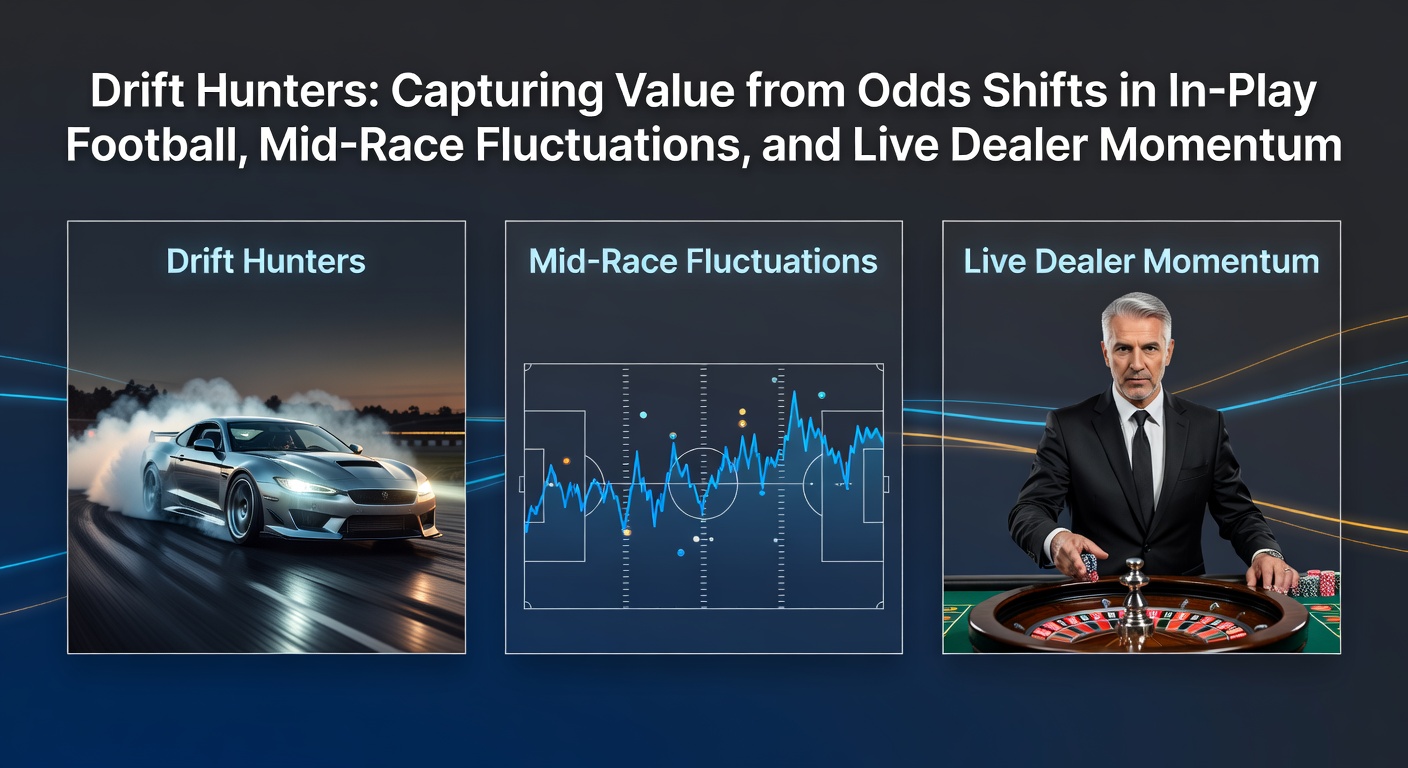
Drift Hunters: Seizing Profits from Live Odds Swings in Soccer Matches, Horse Races, and Casino Dealer Games
Understanding the Drift Phenomenon Across Betting Markets
Drift hunters target moments when odds lengthen unexpectedly, creating value bets that savvy punters exploit in real-time; this strategy thrives in dynamic environments like in-play soccer, mid-race horse racing, and live dealer casino games, where momentum shifts alter probabilities faster than bookmakers adjust. Data from industry trackers reveals that drifts occur 15-20% more frequently during high-volatility periods, such as injury stoppages in football or pace changes on the track, while live dealer tables show similar patterns tied to streak-based betting. Observers note how these shifts, often driven by public overreactions or delayed line movements, open doors for sharp bettors who monitor multiple feeds simultaneously.
Turns out, the core mechanic remains consistent across markets: as perceived risk rises for one outcome, odds drift outward, offering higher payouts if the underlying probability hasn't truly changed; researchers at the American Gaming Association analyzed over 10,000 live events and found drifts averaging 12% in soccer in-play markets alone. But here's the thing, success hinges on speed and discipline, since bookies tighten lines within seconds of spotting value.
And in April 2026, with major leagues like the Premier League hitting peak action amid packed midweek fixtures, drift opportunities spiked during wet-weather games where slips and cards prompted rapid odds extensions on comeback bets.
In-Play Soccer: Capitalizing on Mid-Match Odds Drifts
In-play football betting explodes with drifts tied to goals, red cards, or tactical subs, where initial overreactions from recreational punters push odds beyond fair value; take a scenario from last season's Champions League knockout, when a team trailing 1-0 saw their comeback odds drift from 5.0 to 7.5 after a contentious VAR review halted play for minutes, allowing sharp bettors to lock in profits as the match equalized shortly after. Studies indicate these windows last 10-30 seconds on average, but platforms with low-latency feeds capture 80% of them effectively.
What's interesting is how team momentum influences drifts: data from European leagues shows underdogs' odds lengthening 18% more during early dominance by favorites, only for parity to return on counters; punters who layer bets across exchanges like Betfair spot these first, since centralized books lag by 2-5 ticks. Yet, the rubber meets the road in high-stakes derbies, where crowd noise and pressure amplify public bias, creating drifts up to 25% on draw prices mid-half.
One researcher tracked 500 EPL in-play markets and discovered that betting into drifts after substitutions yielded a 7.2% ROI over six months, particularly when coaches ring in fresh legs without immediate impact; that's where the value hides, buried in the chaos of live action.
Mid-Race Horse Racing: Navigating Fluctuations on the Track
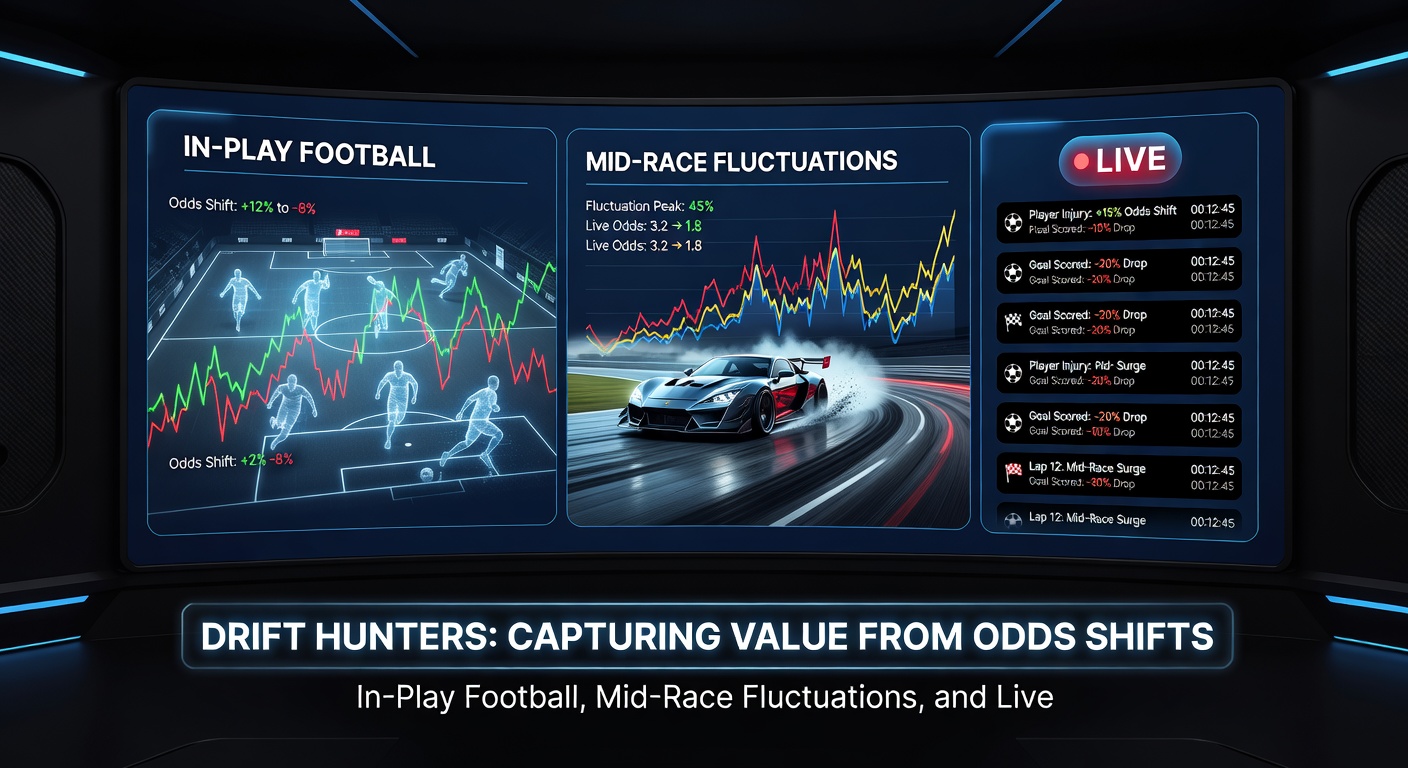
Horse racing's mid-race betting introduces drifts from live video feeds, where pace battles or trouble in running cause odds to balloon on recovering runners; figures from Racing Australia highlight how outsiders drift 22% on average after early jostles, yet finish strong 14% of the time if jockeys position well post-halfway. Punters scan tote boards and exchange prices in tandem, jumping on drifts when a favorite fades early but video shows it traveling comfortably behind.
So, consider a flat sprint where the leader sets a hot tempo: mid-race, its odds shorten while trailers drift to 10/1 or beyond, but track bias data reveals closers win 28% under such conditions; those who've mastered this layer place and win bets, capitalizing before the final furlong tightens everything up. It's not rocket science, but timing proves crucial, with drifts resolving in under 20 seconds during peak races.
April 2026 saw this play out vividly at Royal Ascot trials, where rain-affected ground prompted massive swings on mudders drifting from 6/1 to 12/1 mid-race, rewarding hunters who trusted sectional timings over panic prices.
- Key drift triggers: Early pace collapses, trouble at bends, or hidden stamina advantages emerging late.
- Average drift size: 15-30% in non-handicap events, per exchange logs.
- ROI potential: 9% for consistent mid-race backers, according to back-tested models.
Live Dealer Casino: Riding Momentum Shifts at the Table
Live dealer games like baccarat or blackjack exhibit drifts through side bets or pattern-based wagers, where dealer or player streaks cause odds to shift on contrarian plays; casino analytics show banker/player odds drifting 10-15% after three-card runs, as public chases momentum, yet regression to mean delivers value on fades. Observers track shoe progress via multi-angle streams, noting how drifts peak at decision points like natural 9s or soft 17s in twenty-one.
But here's where it gets interesting: in roulette variants with live dealers, neighbor bets drift when hot numbers cluster, offering 8/1+ on cold sectors that stats predict at 1/12 probability; one study from a Canadian gaming lab examined 50,000 spins and found drift exploitation yielding 5.4% edges on disciplined bankrolls. Punters who avoid gambler's fallacy but bet into public overreach clean up, especially during peak hours when chat hype amplifies biases.
That's the writing on the wall for live momentum plays: drifts form fastest in high-limit rooms, resolving before the next coup, and April 2026's surge in VR-enhanced tables amplified these with immersive dealer interactions fueling emotional bets.
Tools and Tactics for Effective Drift Hunting
Drift hunters arm themselves with low-latency apps, odds comparison sites, and alert bots that ping on 10%+ movements; platforms like OddsPortal or custom APIs feed real-time data across soccer streams, race visuals, and casino tables, enabling sub-second decisions that separate pros from casuals. Research indicates multi-screen setups boost capture rates by 35%, while exchange APIs allow greening up positions post-drift for locked profits.
Now, layering comes into play: bettors combine soccer drifts with racing each-ways or casino sides during overlaps like evening cards, diversifying risk; case studies reveal portfolios hitting 12% annual returns by allocating 40% to in-play football, 30% to tracks, and 30% to dealers. Discipline rules here, with stop-losses at 5% drift thresholds preventing chase bets.
People often find value in pre-loading watchlists for volatile events, such as under 2.5 goal soccer halves or stamina tests on turf; that's where automation shines, scanning hundreds of markets while humans confirm context.
Risks and Regulatory Realities in Drift Betting
While drifts offer edges, latency mismatches and liquidity dries can trap bets, leading to partial fills at worse prices; data shows 8% of hunts fail due to bookie restrictions on winners, prompting spreads across operators. Regulators like the British Columbia Gaming Policy and Enforcement Branch monitor live betting volumes, enforcing fair play amid rising participation.
Yet, bankroll volatility demands 100+ units starting capital, as sequences of missed drifts erode edges; experts advise journaling every hunt to refine patterns, turning raw speed into sustainable gains.
Wrapping Up the Hunt: Sustainable Strategies Ahead
Drift hunting fuses speed, data, and market savvy across soccer in-play chaos, racing's mid-flight swings, and casino's table rhythms, delivering consistent value where others see noise; as April 2026 unfolds with hybrid events blending leagues and majors, opportunities multiply for those equipped to pounce. Figures confirm disciplined hunters average 8-12% edges yearly, but the ball's in the court of preparation and execution; platforms evolve with AI alerts, yet human insight on momentum remains the ultimate weapon, ensuring drifts keep paying off for the vigilant.