Exploring Support Channel Dynamics for Blended Wagers Across Multiple Betting Venues via Mobile Platforms
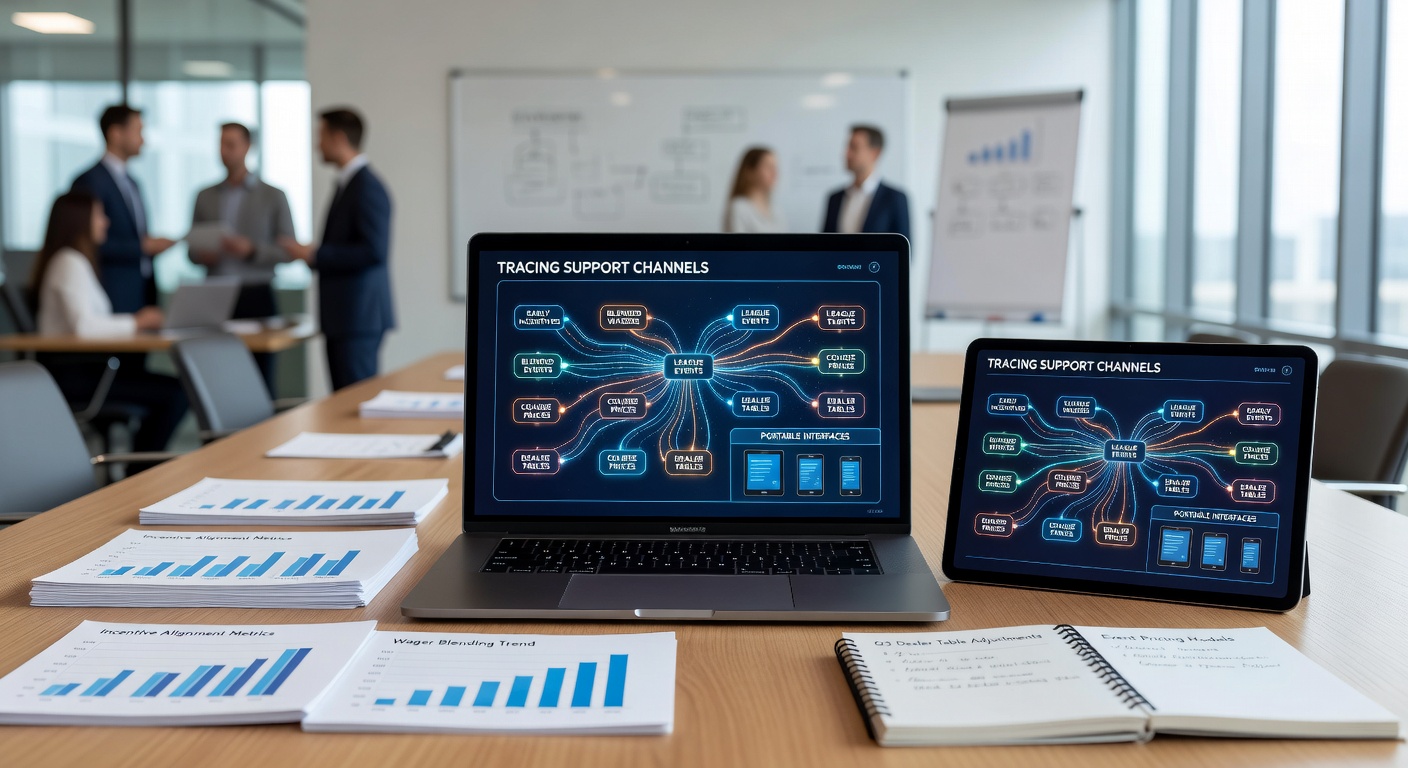
Support channels in digital betting environments function as structured pathways that connect user incentives to combined betting activities spanning league events, course prices, and dealer tables, and these systems operate through portable interfaces that enable real-time tracking and alignment of rewards with wager types.
Core Components of Blended Wager Structures
Blended wagers integrate stakes from distinct categories such as football league matches, horse racing events at specific courses, and live dealer table games, while data from industry reports shows that operators design these combinations to distribute risk across multiple outcomes and to activate layered incentive programs that users access via mobile applications. Observers note that early incentives often include deposit matches or free bet credits that trigger only when wagers meet certain cross-category thresholds, and these thresholds require precise coordination between the support infrastructure and the betting engine to verify compliance before funds release.
Portable interfaces serve as the primary access point for users to monitor these alignments, since they consolidate account dashboards, live odds feeds, and direct messaging tools into single screens that update continuously during events. Researchers at institutions tracking digital gambling patterns have documented how such interfaces reduce latency between wager placement and incentive verification by embedding automated checks that flag qualifying combinations instantly.
Mapping Support Channel Pathways
Support channels trace through several layers including automated chat systems, ticket-based escalation procedures, and dedicated account management teams that handle complex blended wager queries. These layers align with early incentives by maintaining logs of user interactions that confirm eligibility for bonuses tied to multi-event activity, and operators synchronize these logs with backend systems so that adjustments to wager status propagate across league, course, and table segments without manual intervention in most cases.
Figures from recent analyses indicate that mobile users initiate over seventy percent of support contacts related to incentive alignment during peak event windows, which occur when multiple league fixtures, racing meetings, and casino tables run concurrently. Support staff therefore rely on interface tools that display unified histories of all active wagers, allowing them to trace whether an early incentive has activated correctly or requires manual override due to timing discrepancies across different event types.
Integration with Early Incentive Mechanisms
Early incentives function as conditional triggers that activate when users meet predefined blended wager volumes, and support channels maintain the records necessary to validate these conditions across portable devices. Data indicates that misalignment often arises from venue-specific pricing variations, such as fluctuating course odds or table minimums, which support teams resolve by referencing synchronized data streams that pull from all participating event categories simultaneously.
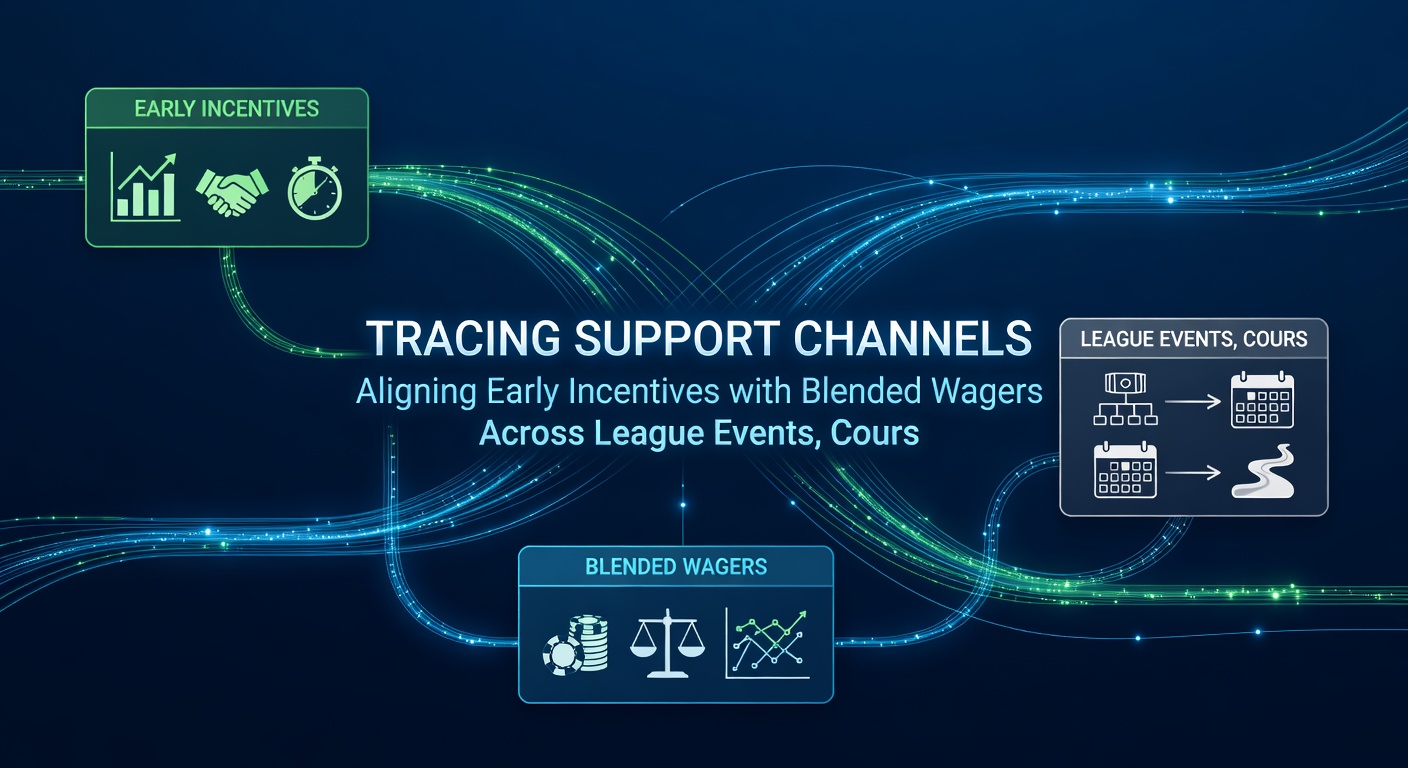
One documented approach involves embedding incentive status indicators directly within wager confirmation screens, so users and support personnel view the same real-time status without switching applications. This integration became more refined following platform updates rolled out in May 2026 that improved cross-event data reconciliation and reduced the average resolution time for incentive queries by approximately twenty-five percent according to internal operator metrics shared with industry analysts.
Technical Considerations in Portable Interface Design
Portable interfaces incorporate API connections that link front-end displays to backend support databases, enabling seamless tracing of how individual wagers contribute to overall incentive thresholds. These connections handle variables such as event start times, odds movements, and dealer table session lengths, while ensuring that support agents receive complete context when assisting users who combine stakes across categories. Studies from academic sources on human-computer interaction in gambling environments reveal that interfaces optimized for multi-threaded data display lower error rates in incentive claims and improve user retention metrics over successive event cycles.
Regulatory frameworks in various jurisdictions require operators to maintain auditable trails for all incentive activations, which support channels fulfill through timestamped interaction records stored within the mobile ecosystem. External oversight bodies such as those referenced in reports from the Australian Gambling Research Centre emphasize the importance of transparent tracing mechanisms that prevent disputes over blended wager qualifications, particularly when users participate across time zones adn event schedules that overlap.
Developments Observed Through Mid-2026
By May 2026 several operators had expanded support channel capacity to accommodate increased volumes of blended wager inquiries following the introduction of enhanced live streaming features within mobile applications. These expansions included dedicated queues for cross-category incentive questions and automated routing systems that direct queries to agents trained on specific event combinations, thereby shortening response intervals during high-traffic periods. Industry data compiled by groups including the American Gaming Association shows corresponding rises in mobile engagement metrics tied directly to these support enhancements.
Conclusion
Support channels that align early incentives with blended wagers across league events, course prices, and dealer tables continue to evolve through refinements in portable interface capabilities, and these developments maintain consistent verification processes that operators and users rely upon for accurate reward distribution. Ongoing integration of data streams and audit requirements ensures traceability remains central to platform operations in this domain.