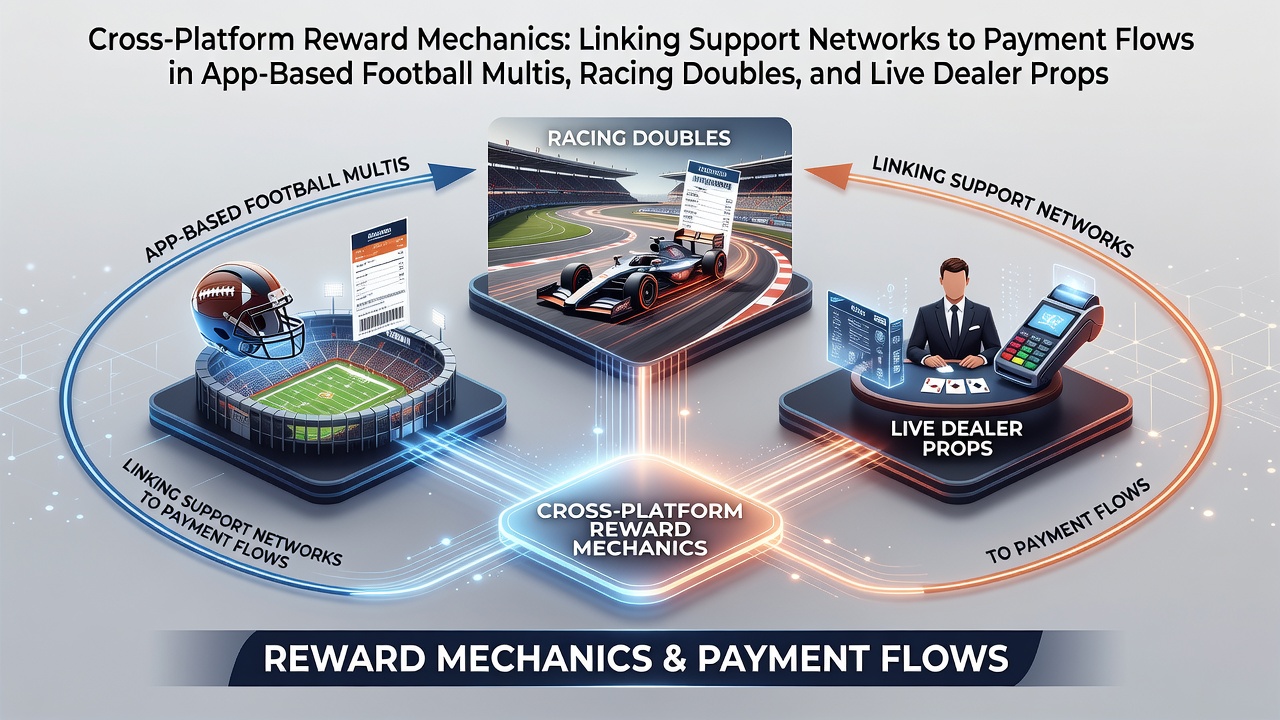
Integrated Reward Frameworks Connecting Support Channels to Transaction Streams in Mobile Football Accumulators, Racing Pairs, and Live Props
Cross-platform reward mechanics have evolved into structured systems that tie customer support interactions directly to payment processing within betting applications focused on football multis, racing doubles, and live dealer props. These frameworks operate by converting user engagement metrics, such as resolved queries or completed verifications, into redeemable credits that influence deposit and withdrawal sequences. Data from industry analyses shows that operators deploy these mechanics to streamline fund movements across multiple bet categories while maintaining compliance protocols established in various jurisdictions.
Mechanics of Reward Integration Across Bet Types
Football multis accumulate selections from different matches into single wagers, and reward systems often attach bonus multipliers when support-assisted account adjustments precede the placement. Racing doubles combine two horse selections, where similar mechanics apply credits earned through chat resolutions to adjust stake values before the race start. Live dealer props involve real-time side bets during casino sessions, and platforms route support-verified rewards straight into in-play payment flows to enable instant prop additions. Observers note that these connections reduce transaction friction because reward points bypass separate approval layers once support confirms user status.
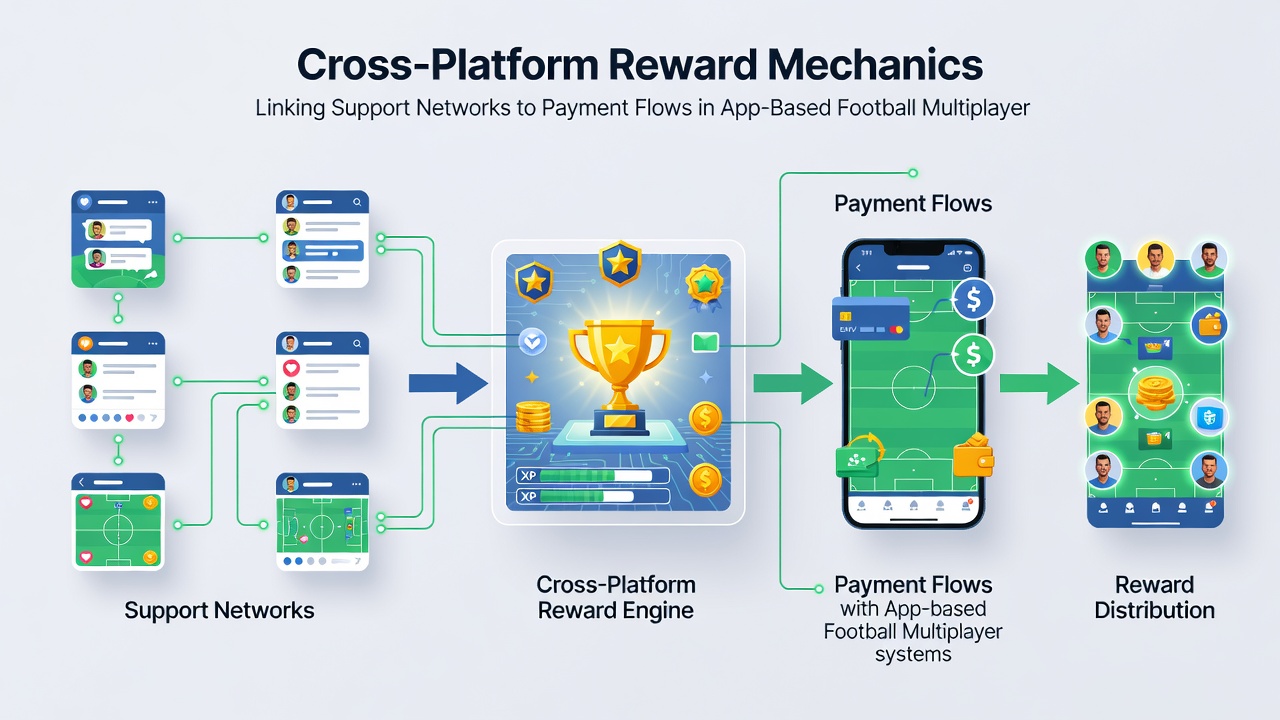
App architectures typically embed APIs that sync support ticket outcomes with payment gateways. When a user completes a verification call, the system logs the interaction and issues proportional rewards that appear as available balances for the next football multi or racing double. This process extends to live props where dynamic odds updates coincide with reward redemptions, allowing seamless stake increases without exiting the active session. Figures from technology providers indicate that such linkages handle thousands of daily interactions in major markets by June 2026.
Support Network Roles in Payment Routing
Support teams function as gatekeepers that validate reward eligibility before funds transfer. Agents review account histories tied to specific bet patterns, then authorize credit releases that feed directly into payment processors handling football accumulators or racing pairs. This routing prevents isolated reward pools and instead merges them with core transaction ledgers. Researchers at academic institutions have documented similar patterns in digital commerce studies where service interactions trigger financial actions without additional user steps.
Platforms segment rewards by bet category to match risk profiles. Football multis receive higher reward thresholds because of their multi-leg complexity, while racing doubles benefit from quicker credit applications due to shorter event cycles. Live dealer props incorporate time-sensitive rewards that align with dealer rounds, ensuring payments reflect current prop values. Industry reports highlight that these segments help maintain balanced liquidity across all three verticals within single applications.
Payment Flow Adjustments Driven by Rewards
Transaction streams adjust dynamically when reward mechanics activate. A completed support interaction for a football multi might trigger an accelerated deposit that funds subsequent doubles or props. Payment gateways recognize these reward flags and apply reduced processing times or waived fees, which data from payment solution providers confirms improves completion rates. In June 2026, several operators reported measurable upticks in cross-category activity following reward-linked payment enhancements.
Live props present unique timing demands because dealer actions occur continuously. Reward systems therefore prioritize instant validation from support channels to keep payment flows aligned with prop availability. Those who monitor these systems observe that failures in linkage often stem from delayed support confirmations rather than payment infrastructure itself. Adjustments in backend protocols have addressed many of these gaps according to technical audits conducted by platform developers.
Regional Implementation Examples and Data Trends
European operators have adopted unified reward ledgers that span football, racing, and live dealer offerings, with one study from a research consortium noting improved retention metrics after integration. In North America, certain state-regulated platforms apply similar mechanics under local oversight, linking support outcomes to payment authorizations for multis and props. Australian regulatory updates around digital gambling tools have also prompted operators to refine reward-to-payment pathways for racing doubles specifically. These variations demonstrate how local rules shape the same core linkage principle without altering its fundamental structure.
Statistics compiled by trade associations reveal that reward-activated payments constitute a growing share of total volume across the three bet types. Support networks contribute by supplying the verification data that unlocks these flows, creating measurable efficiencies in app performance. What's interesting is how these connections scale during peak periods like major football tournaments or racing festivals, where live props see concurrent spikes.
Conclusion
Cross-platform reward mechanics continue to refine the connections between support networks and payment flows in applications handling football multis, racing doubles, and live dealer props. The integration relies on API-driven synchronization and category-specific thresholds that respond to verified user actions. As of June 2026, these systems demonstrate consistent operation across diverse regulatory environments while supporting the distinct timing requirements of each bet type. Further technical refinements appear likely as operators gather additional performance data from ongoing deployments.