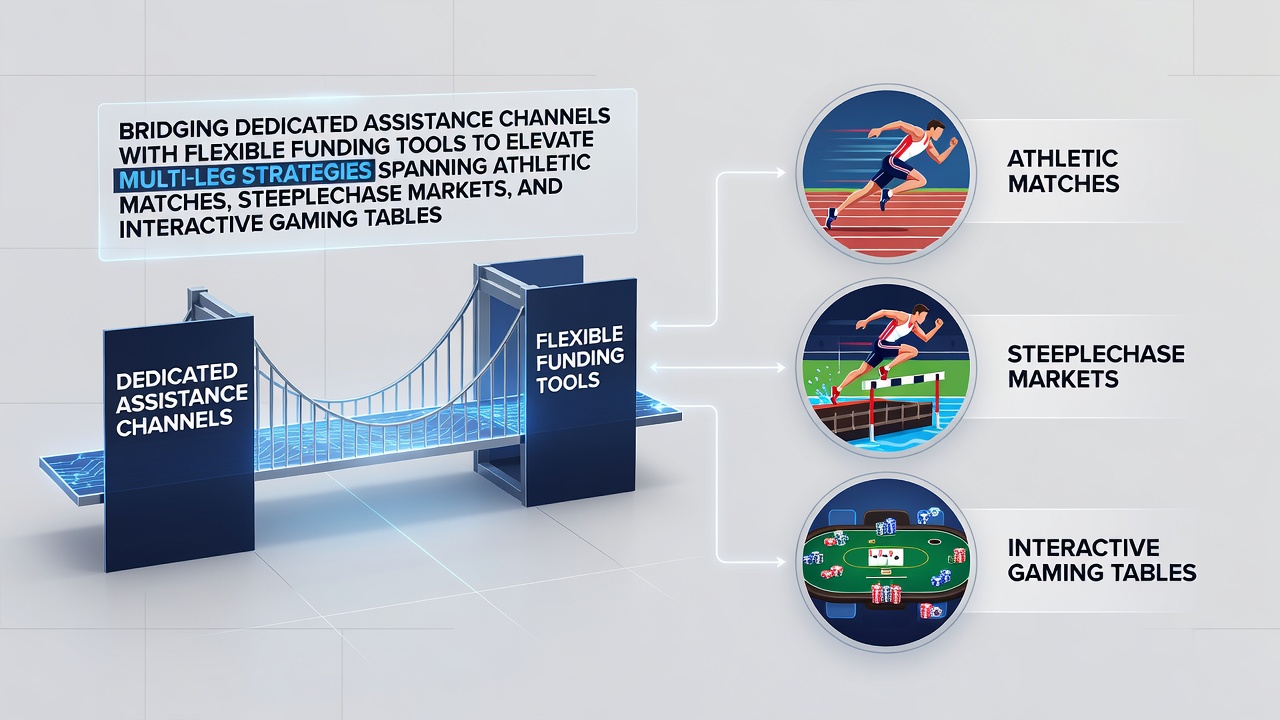
Integrated Support Networks and Payment Adaptations Reshaping Complex Betting Combinations in Sports, Racing, and Casino Play
Operators have started linking specialized assistance channels directly to adaptable payment mechanisms, which allows participants to manage layered betting sequences that stretch across athletic events, steeplechase circuits, and live dealer environments in one continuous flow. Data from mid-2026 shows these connections reduce transaction friction during simultaneous wagers, particularly when users adjust stakes on the fly while events unfold in real time. July 2026 figures from several international markets indicate a measurable uptick in session duration when support teams can authorize funding changes without routing users through separate verification steps.
Core Elements of Assistance and Funding Linkages
Assistance channels now include dedicated lines staffed by specialists trained in multi-leg portfolio management, while funding tools range from instant wallet top-ups to conditional release protocols that activate only after certain bet outcomes register. Observers note that this pairing lets users request limit adjustments or payment confirmations mid-sequence without pausing the overall strategy, whether the focus rests on football accumulators, each-way steeplechase selections, or side bets at digital tables. Research from the American Gaming Association highlights similar patterns in North American jurisdictions where integrated systems cut average resolution times for funding queries by measurable margins during peak event windows.
Application to Athletic Match Strategies
Participants building multi-leg positions on athletic matches often encounter shifting odds and live market updates that demand quick capital reallocations. When assistance personnel can trigger flexible funding approvals through the same interface that tracks open bets, the process keeps momentum intact across simultaneous fixtures. One documented workflow shows users initiating a deposit, confirming it with support verification, and immediately allocating portions to live in-play lines without exiting the main betting screen. External reports from the Australian Communications and Media Authority indicate that platforms employing these linkages record higher completion rates for complex match-day combinations compared with fragmented support models.
Steeplechase Market Integration
Steeplechase betting frequently involves each-way structures and conditional payouts that span multiple runners and race distances, creating scenarios where funding flexibility becomes essential for hedging or scaling positions. Dedicated channels allow specialists to review and authorize adjustments tied to specific race conditions, while adaptable tools release funds in tranches aligned with pre-race declarations or in-race developments. Those managing larger portfolios find value in systems that connect support escalation directly to payment gateways, eliminating the need for repeated identity checks across separate applications. A study referenced by the European Gaming and Betting Association points to reduced error rates in settlement when these bridges operate without intermediary delays.
Interactive Gaming Table Connections
Live dealer environments introduce additional variables through side bets, progressive elements, and table-specific rules that evolve during sessions. Flexible funding tools paired with responsive assistance enable participants to replenish balances or modify exposure levels without interrupting table continuity. Specialists handling these queries often coordinate with payment processors to apply temporary credit facilities or instant transfers, supporting extended play across multiple tables simultaneously. Data compiled in 2026 from regulated markets shows that sessions incorporating these integrated pathways sustain higher average bet volumes when users maintain uninterrupted access to both guidance and capital movement.
Operational Patterns Observed in July 2026
By July 2026, several platforms had rolled out unified dashboards where assistance requests automatically populate funding parameters based on active multi-leg positions. This setup proves particularly useful when athletic match results influence subsequent steeplechase or table decisions within the same account framework. Technical logs reveal that authorization times for combined support and payment actions average under ninety seconds in optimized systems, allowing strategies to adapt across the three categories without manual re-entry of details. Industry tracking from various regulatory regions confirms consistent adoption of these bridges as participant expectations for seamless movement between betting types continue to rise.
Conclusion
Linkages between dedicated assistance and adaptable funding continue to support more fluid execution of strategies that cross athletic matches, steeplechase events, and interactive tables. The measurable improvements in transaction speed and query resolution documented through 2026 suggest these connections form a foundational layer for managing layered positions efficiently. As platforms refine the technical ties between support personnel and payment infrastructure, participants gain clearer pathways for maintaining complex combinations without unnecessary interruptions.