
Payment Flexibility Meets Tailored Guidance for Layered Wagers on Soccer, Tracks, and Dealer Tables
Payment systems in betting platforms have evolved to support complex wagering structures across soccer matches, horse racing events, and live dealer tables, where multiple bet layers combine different outcomes into single stakes. Observers note that these arrangements require precise timing for deposits and withdrawals, since each layer carries its own risk parameters and payout timelines. Data from industry reports shows that operators now integrate instant transfer methods with scheduled payout windows, allowing users to manage funds across varied bet types without disrupting ongoing positions.
Layered Wager Structures Across Different Markets
Soccer accumulators often link several match results into one ticket, while each-way bets on tracks combine win and place components, and casino side bets at dealer tables add secondary propositions to primary hands. Those who study these formats point out that layered wagers increase transaction frequency because partial cash-outs or additional stakes may occur mid-event. Research from the Australian Gambling Research Centre indicates that platforms handling such combinations processed higher volumes of micro-transactions during peak periods in early 2026.
Payment flexibility appears in options like e-wallets, bank transfers, and cryptocurrency rails that settle at different speeds. Fast deposits support immediate placement of layered bets, whereas slower withdrawal methods align with verification requirements that protect larger accumulated returns. Experts have observed that this mix reduces friction when users adjust positions across soccer, racing, and table games simultaneously.
Payment Methods Supporting Multi-Layer Activity
Operators provide tiered funding tools that match the pace of layered betting. Instant card deposits handle quick additions to soccer accumulators, while bank transfers accommodate larger racing stakes that settle over longer periods. Live dealer environments benefit from digital wallets that permit rapid side-bet placements without leaving the table interface. Figures reveal that by June 2026, adoption of these varied methods had increased across platforms serving multiple verticals, according to aggregated market statistics.
Security layers accompany these payment channels through encryption standards and real-time monitoring. Users receive confirmation at each step, which helps track funds allocated to different wager layers. Data shows that such transparency supports accurate record-keeping when bets span several days or events.
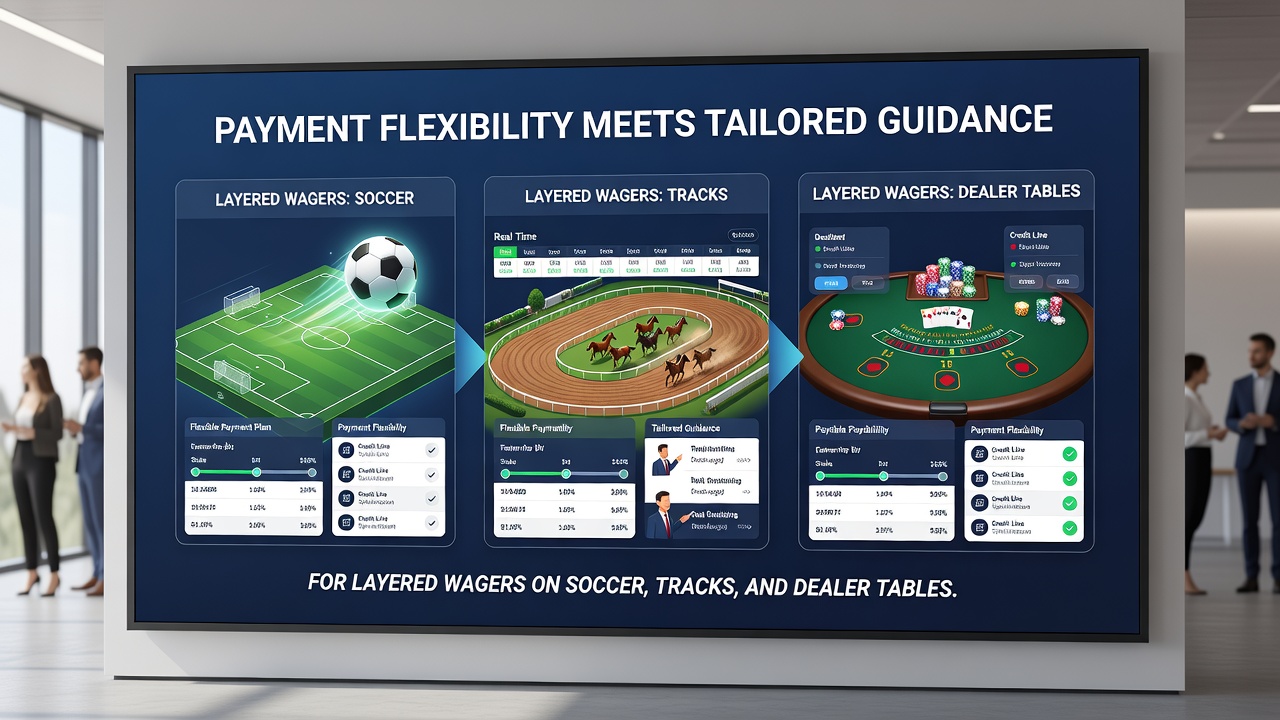
Tailored Guidance Systems for Complex Betting
Guidance tools now link directly to payment histories and active wager layers, offering users breakdowns of odds, potential returns, and risk exposure. These systems draw on account data to suggest adjustments when multiple bet types operate together. Researchers discovered that platforms incorporating such features saw higher user retention rates in multi-market sessions, particularly when soccer, track, and dealer activity occurred in the same account.
Personalized alerts notify users about upcoming payment deadlines or bonus eligibility tied to layered positions. The approach connects financial management with strategic input, so that guidance covers both the timing of deposits and the structure of bets. Industry analyses from the Responsible Gambling Council in Canada highlight that integrated support reduces errors in fund allocation across different wager categories.
Cross-Market Applications in June 2026
By June 2026, platforms had refined their interfaces to display unified payment and guidance dashboards for soccer accumulators, racing doubles, and casino props. Users could view total exposure, pending settlements, and available guidance resources in one location. This setup proved useful when events overlapped, such as evening soccer fixtures coinciding with racing meetings and live dealer sessions. Observers note that the combination of flexible funding and targeted advice helped maintain clarity across these simultaneous activities.
Case examples from platform reports show users adjusting soccer stakes through quick deposits while receiving guidance on hedging options for concurrent track bets. Similar patterns appear in casino environments where side-bet layers receive real-time payout estimates linked to account balances. The result is a coordinated system where payment timing and strategic input reinforce each other.
Conclusion
Payment flexibility combined with tailored guidance creates operational support for layered wagers spanning soccer, tracks, and dealer tables. The integration allows precise fund movement alongside structured advice that matches bet complexity. Market developments through mid-2026 demonstrate continued refinement of these tools, driven by transaction data and user interaction patterns across multiple betting formats.