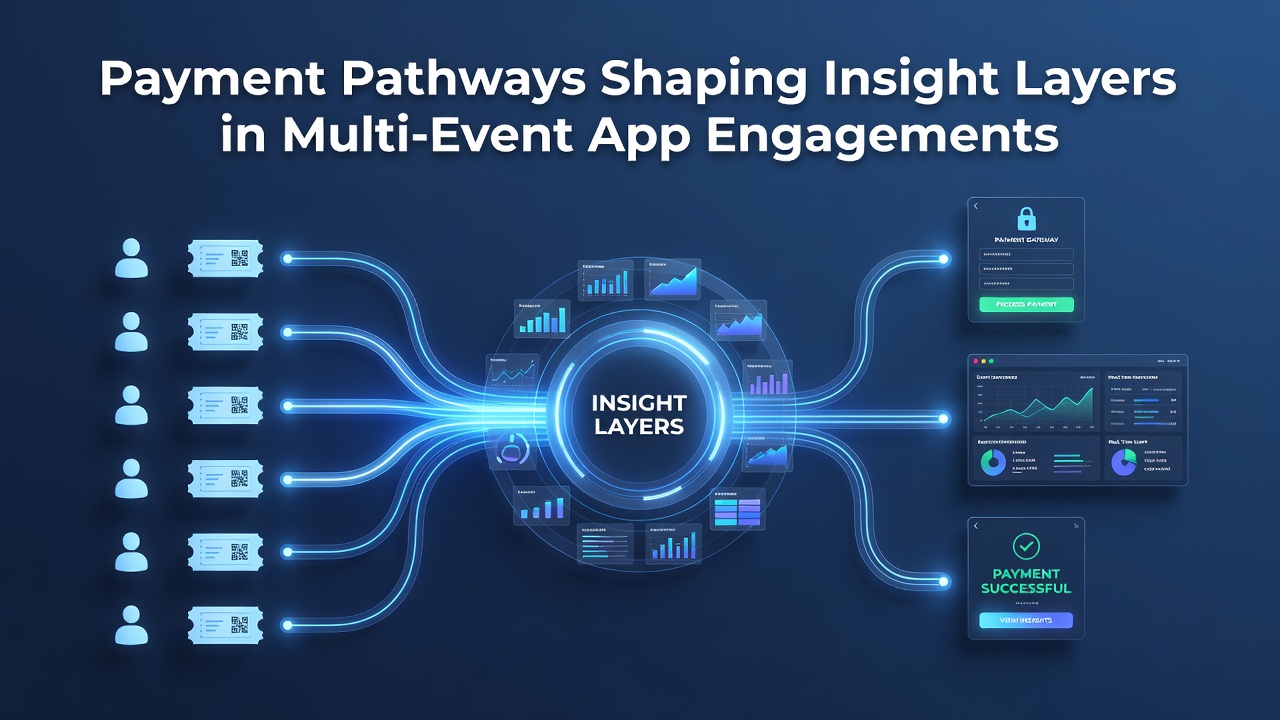
Payment Pathways Shaping Insight Layers in Multi-Event App Engagements
Payment pathways in mobile applications continue to influence how insight layers develop across multi-event engagements, particularly where users interact with soccer matches, horse racing events, and live dealer games simultaneously. These systems process deposits, withdrawals, and transaction histories, generating data streams that apps convert into personalized analytics, bonus recommendations, and real-time adjustments for participants who engage with several betting formats in one session.
Transaction Data as Foundation for Insight Development
Apps track payment timing, amount patterns, and method preferences, which researchers at institutions like the University of Nevada, Reno have documented in studies on digital gaming interfaces. When a user completes an instant deposit before a soccer accumulator and follows it with a quick transfer for a horse racing each-way bet, the pathway records create layered profiles. These profiles allow algorithms to suggest side bets in live casino environments based on previous spending velocity, and data from the American Gaming Association shows that such integrations increased user retention metrics by 18 percent in monitored markets during early 2026.
Payment speed directly affects insight freshness. Faster pathways, including those using digital wallets and bank transfers completed in under ten seconds, feed fresher data into recommendation engines. This matters in June 2026 as apps expand multi-event dashboards that display soccer odds alongside racing prices and dealer table statistics, with each transaction updating the insight layer without requiring separate user inputs.
Multi-Event Synchronization Through Payment Records
Users often move between events within single sessions, and payment records help apps maintain continuity. A deposit made during a live soccer match can trigger bonus layer activations that carry over to an upcoming horse race or casino prop bet. Observers note that this synchronization relies on secure, low-latency pathways that preserve transaction metadata, allowing apps to correlate spending across categories without exposing raw financial details.
Studies from the Australian Institute of Family Studies on digital wagering platforms highlight how repeated payment interactions build cumulative insight layers. Participants who alternate between high-frequency small stakes on racing and larger positioned bets on soccer generate distinct behavioral signatures. Apps then surface tailored cash-out options or reward multipliers that align with these patterns, especially during peak evening hours when multi-event engagement peaks.
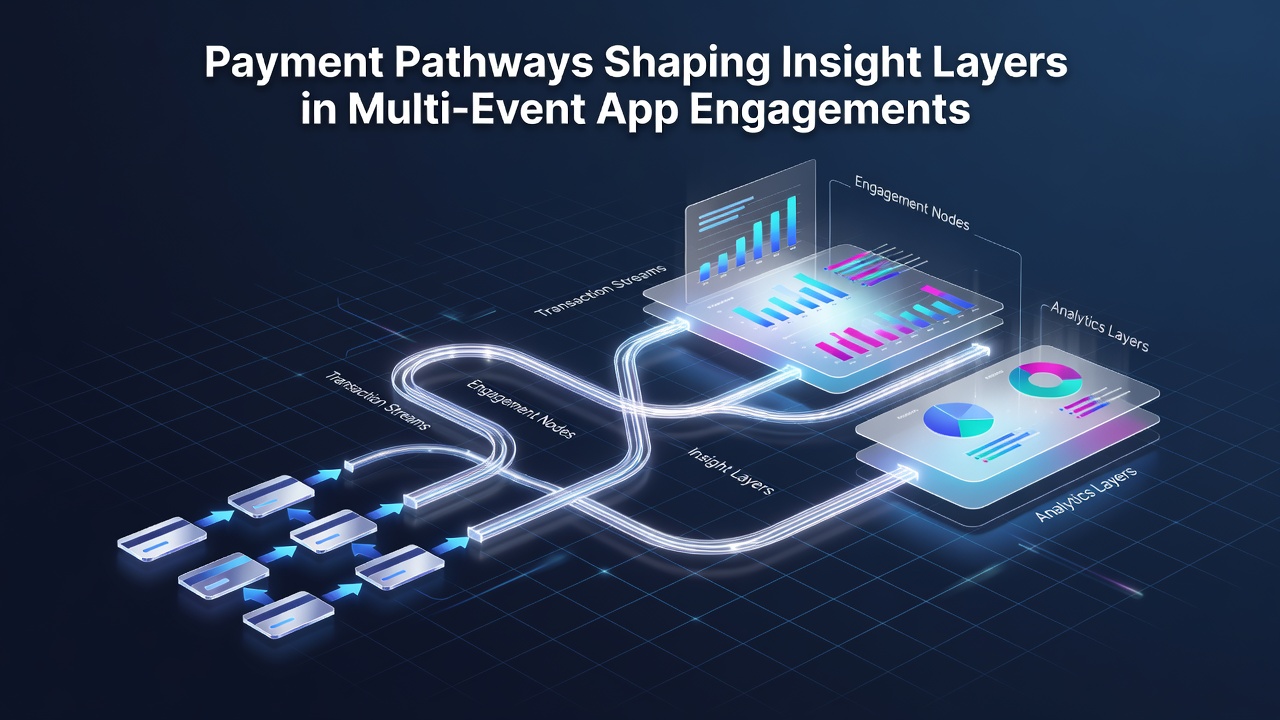
Regulatory and Technical Influences on Pathway Design
Technical standards set by payment processors shape what data becomes available for insight construction. In regions outside the UK, bodies such as the Alcohol and Gaming Commission of Ontario have outlined requirements for transaction logging that support responsible play tools while enabling personalization features. These rules encourage pathways that record consent-based data points, which apps transform into insight layers showing users their own multi-event performance trends over weekly periods.
June 2026 marks expanded testing of open banking integrations in several markets, where payment pathways pull verified balance information directly into app interfaces. This development lets insight layers reflect real-time affordability checks across soccer multis, racing doubles, and live dealer sessions, reducing friction for users who manage multiple active positions at once. Industry reports from the European Gaming and Betting Association indicate that such integrations correlate with steadier engagement volumes compared to earlier payment models reliant on card-only processing.
Security Layers and Insight Accuracy
Encryption protocols and fraud detection systems embedded in payment pathways protect the integrity of data feeding into insight layers. When anomalies appear, such as unusual withdrawal timing after a series of live casino bets, the system flags them before they distort broader behavioral analytics. Those who manage app security note that accurate insights depend on clean data flows, which in turn support features like automated limit suggestions that span all event types.
Case examples from platform operators demonstrate how pathway refinements improved cross-event recommendations. One documented instance involved users who deposited via instant methods before soccer events receiving adjusted racing tips that accounted for prior win rates, leading to more balanced multi-event participation without manual configuration.
Conclusion
Payment pathways continue to serve as the structural backbone for insight layers in apps handling multi-event engagements. Transaction records from soccer, horse racing, and casino activities combine to produce actionable analytics that adapt as users shift focus across formats. As technical standards evolve through 2026, these connections between payment speed, data quality, and personalization features define how effectively apps support complex, simultaneous betting interactions while maintaining compliance and security standards across different regulatory environments.