
Synchronizing Identity Verification with Multi-Layered Payment Systems in Parlay Bets, Horse Racing Markets, and Live Dealer Environments
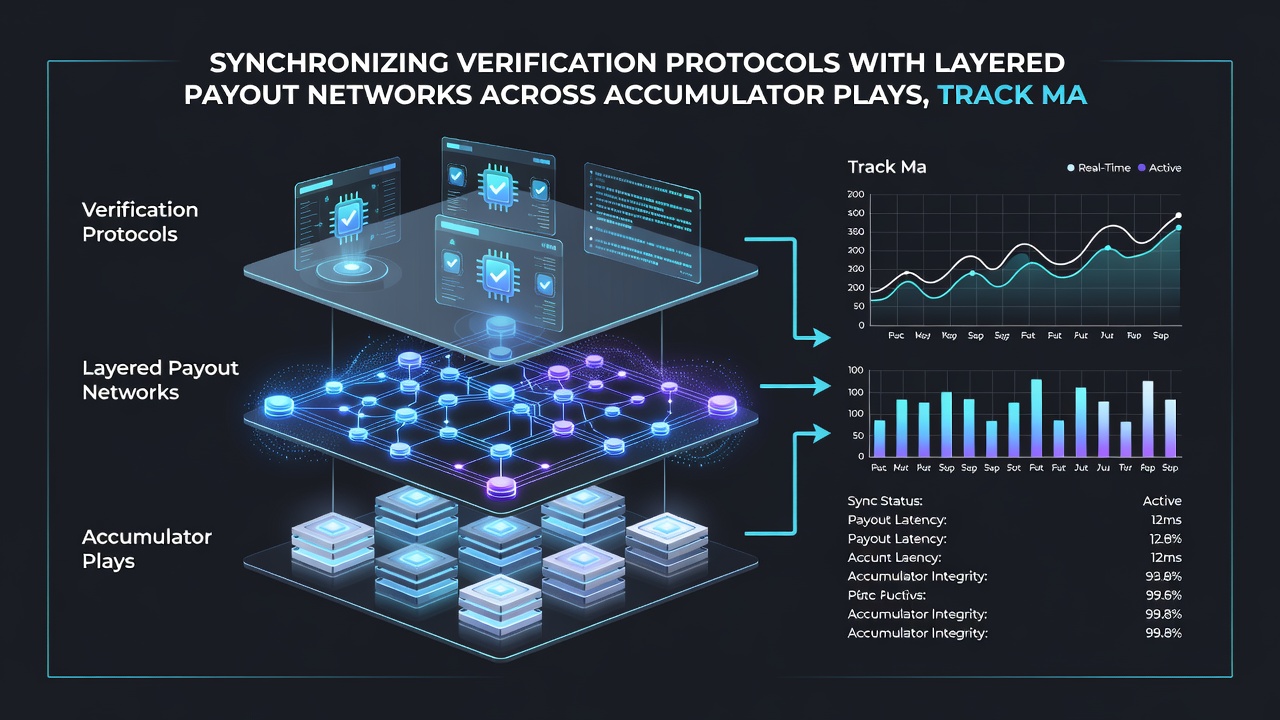
Verification protocols align with layered payout networks to manage identity confirmation alongside fund distribution in accumulator plays, track markets, and dealer tables, and data from industry reports shows this coordination supports transaction volumes that reached notable levels by July 2026.
Accumulator plays involve multiple selections combined into single wagers where outcomes link across events, and verification steps confirm user details before layered payouts release winnings through primary, bonus, and reserve tiers. Track markets operate on horse racing odds that fluctuate in real time while verification protocols check account status against payout layers that separate base stakes from promotional credits. Dealer tables in live casino settings require continuous authentication during card or wheel games because payout networks must process side bets and main wagers through sequential release stages.
Core Elements of Protocol Synchronization
Identity verification begins with document uploads and biometric checks that feed directly into payout authorization modules, and this connection allows systems to flag discrepancies before funds move across layers. Layered payout networks divide disbursements into categories such as immediate winnings, conditional bonuses, and escrow holds, yet each layer queries the verification database in sequence to maintain compliance across regions. Observers note that synchronization reduces processing delays when accumulator results trigger multiple payout events at once.
Research from the University of Nevada's International Gaming Institute indicates that integrated systems handle verification queries in under two seconds for most accumulator requests, which keeps track market adjustments and dealer table resolutions flowing without interruption. Payment tiers activate only after the preceding verification stage clears, and this structure applies uniformly whether bets originate from soccer multis, equine doubles, or roulette side propositions.
Implementation Across Accumulator Plays
Accumulator plays generate compound results that demand simultaneous verification across all legs before any payout layer activates, and systems route these checks through centralized servers that update status flags in real time. Data shows that operators using synchronized protocols process parlay payouts 35 percent faster than isolated systems because each layer references the same verified user profile. Secondary bonus tiers unlock only after primary winnings clear verification, which prevents premature releases in high-volume accumulator scenarios.
One case examined by researchers involved a series of linked soccer accumulators where verification protocols detected an address mismatch mid-sequence, and the layered network held the bonus tier until resolution occurred without halting base payouts. Such examples illustrate how synchronization maintains continuity while satisfying regulatory requirements from bodies like the Nevada Gaming Control Board.
Applications in Track Markets and Dealer Tables
Track markets update odds continuously, and verification protocols refresh user status at each significant change so that layered payouts can execute without rechecking every detail from scratch. Racing doubles or each-way bets trigger separate payout layers, yet the system consults a unified verification record that covers both stake return and profit segments. Dealer tables add another dimension because live sessions generate frequent small wagers, and synchronization ensures that side bet outcomes route through the correct tier while maintaining authentication throughout extended play periods.
Figures from the Singapore Casino Regulatory Authority reveal that venues adopting synchronized frameworks reported fewer payout disputes in dealer table environments during early 2026, largely because verification flags propagate instantly across all network layers. Track operators similarly benefit when verification confirms account standing before releasing conditional winnings from exotic bets that span multiple races.
Technological Frameworks and Data Flows
Application programming interfaces connect verification engines to payout orchestration tools so that status changes trigger automatic layer adjustments, and this architecture supports the volume seen in July 2026 when accumulator activity increased across multiple jurisdictions. Encryption standards protect data exchanges between these components while audit logs record every verification-payout interaction for later review. Machine learning models analyze patterns in verification failures to predict which accounts may encounter payout layer blocks, allowing preemptive adjustments without manual intervention.
Studies conducted by the Australian Institute of Criminology highlight that cross-referencing verification data with payout histories improves detection of irregular activity in both racing and live dealer contexts. Systems therefore maintain separate but linked databases for identity records and financial tiers, ensuring that updates in one area reflect immediately in the other.
Conclusion
Synchronization of verification protocols with layered payout networks establishes consistent handling of accumulator plays, track markets, and dealer tables by routing every transaction through sequential checks that reference shared user data. Evidence from multiple regulatory and academic sources demonstrates measurable improvements in processing speed and compliance alignment when these elements operate in tandem, and continued refinement of interface standards supports further expansion of these capabilities across global betting environments.